THE COSTUME WHISPERERS
Crystal Thompson, Fashion Design AAS ’93, and Michael Harrell, Fashion Design alum, bring Broadway outfits to life
The costumes we love in Broadway shows are the product of many hands. Alumni Crystal Thompson and Michael Harrell have had long, varied, and fascinating careers as costume builders. Their job? Translate designers’ elaborate sketches onto actors’ actual bodies—either through tailoring or by constructing complete outfits.

Thompson has fabricated costumes for many plays, including Hadestown. For that show, nominated for a Tony Award for Best Costume Design, Thompson created designer Michael Kass’ styles for The Three Fates, making custom harnesses and necklaces for the actors. Sometimes she fashions rehearsal costumes, which are particularly important when the shows make unusual demands on the performers. For The Little Mermaid, for example, she made costumes with mermaid tails so the actors could practice swishing them around while dancing on roller skates. Thompson has also created costumes for The Met Opera, including an elaborate Cinderella gown. And she’s dynamo diva Patti LuPone’s personal tailor. “She’s actually got it in her contract that I get ‘first refusal’ when she’s doing Broadway shows,” like 2024’s The Roommate, with Mia Farrow, Thompson says.

Photo by Smiljana Peros
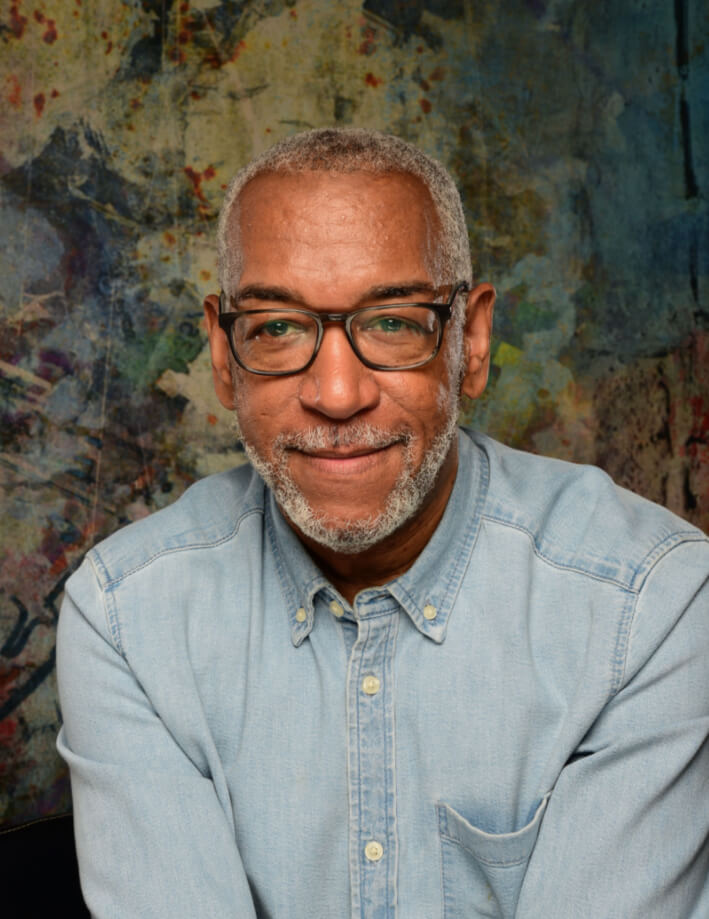
In his 30-year Broadway career, Michael Harrell has worked in the wardrobe department for many musicals, starting with 1994’s Sunset Boulevard, and more recently supported designer Paul Tazewell for Wicked and Hamilton. In his current stint at The Book of Mormon, Harrell collaborates with legendary costume designer Ann Roth, building and tailoring outfits for the huge cast—three white shirts with underwear for each player, with pants rigged for high-speed costume changes. He’s been on Roth’s “dream team” for 10 productions, including HBO’s The Young Pope with Jude Law, and Broadway’s A Raisin in the Sun with Denzel Washington; and he created a memorable burgundy skirt for Glenn Close in A Delicate Balance. The work requires attention to fragile egos: “Sometimes the actor will have a hard time with what the designer had in mind, so I’ll change it,” Harrell says. “I might meet the actor in the elevator, and they might say, ‘Can I have a belt?’ or ‘My butt looks too big.’ They’ll blame everything on the costume: ‘I can’t sing; my gloves are too tight.’”
Michael Harrell designed the outfits for Patti LaBelle’s solo shows on Broadway.
Photo by D’Ambrose Boyd Photography
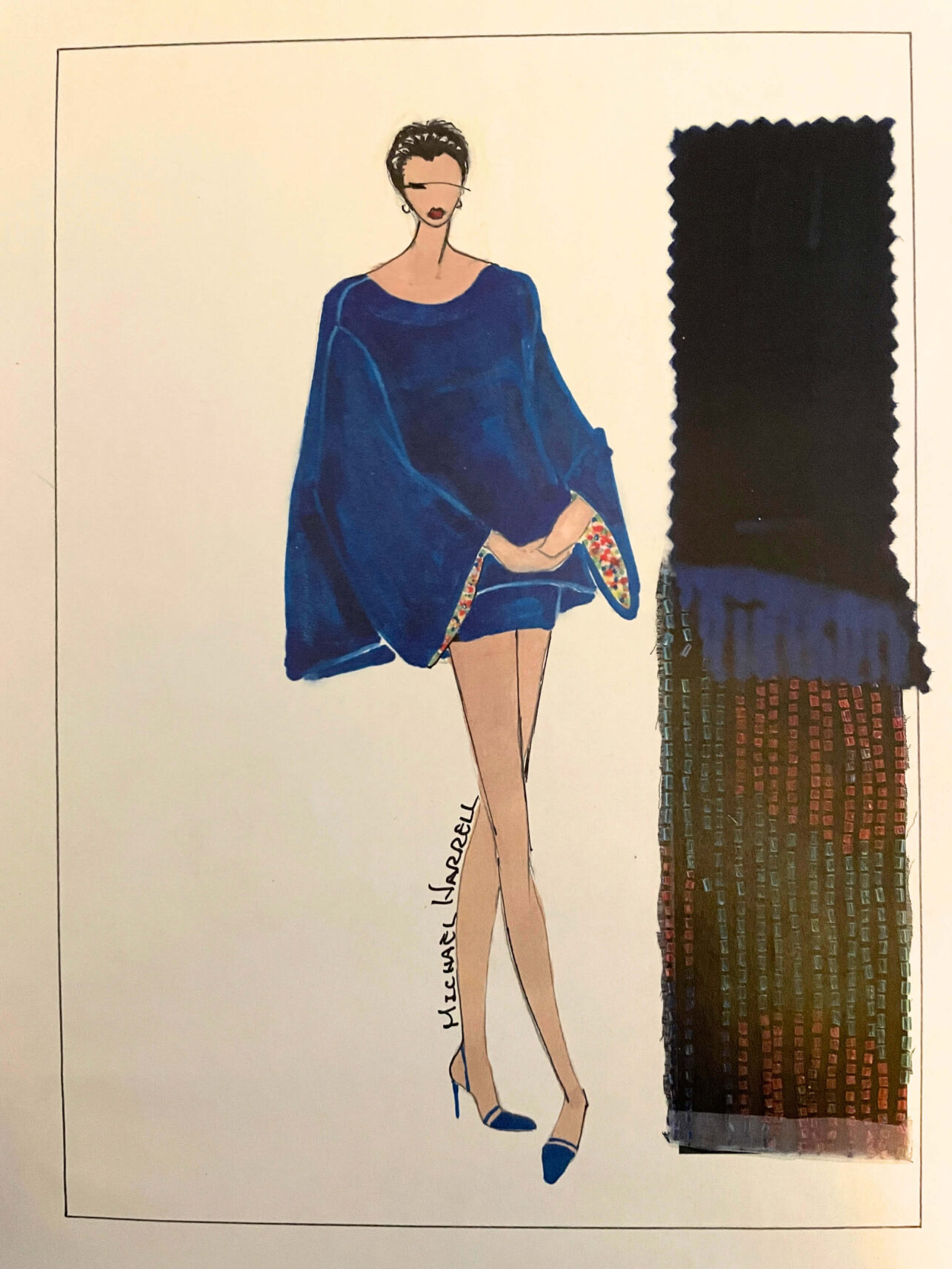

Harrell got his start in the ’80s, when a friend introduced him to Patti LaBelle backstage at her concert. “The first thing I said was, ‘Who does your clothes?’” He created fashions for her for years, including two solo shows on Broadway. The garment he designed for her 1997 Grammy Awards appearance is in the Smithsonian. Today, as an instructor in FIT’s Center for Continuing and Professional Studies, Harrell imparts hard-won wisdom: “The costume designer gets the above the line credit. The wardrobe department is toward the back of the playbill, where the writing is so small you can’t find your own name.” Still, he loves the work. “I’m sharing in making an experience that the audience will never forget.”