WRITING A CHILDREN’S BOOK WITH THE SMITHSONIAN
As a child growing up in New Jersey, Adriana Erin Rivera, an award-winning author of Puerto Rican descent, wasn’t taught Puerto Rican history in school. “I didn’t learn about it as a kid,” she says, “but my parents had instilled in me a lot of pride.”
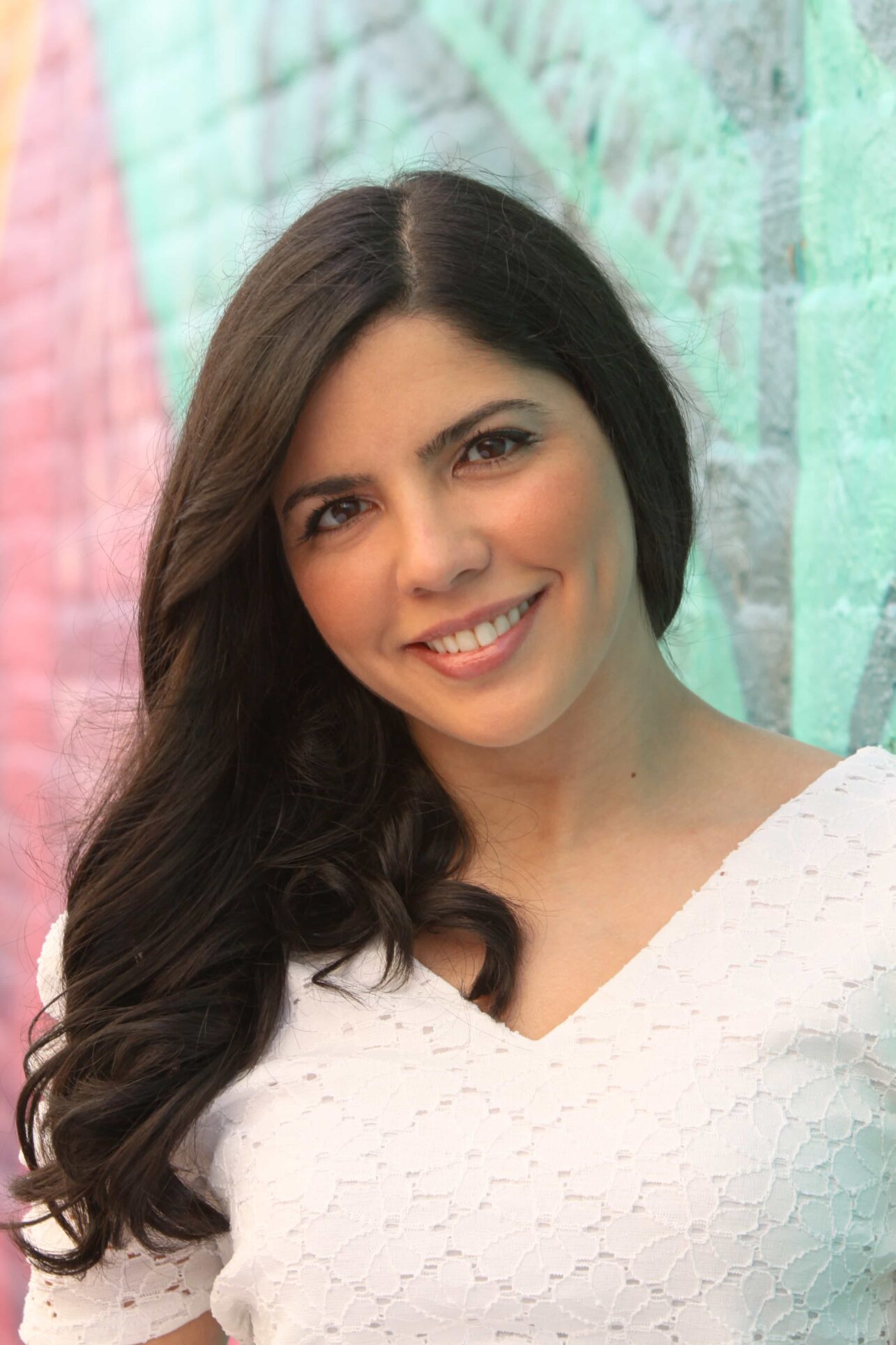
Rivera’s deep connection to the island, reinforced by summers spent at her grandfather’s farm there, infuses the world of her middle-grade novel, Paloma’s Song for Puerto Rico: A Diary from 1898.
Published by Stone Arch Books in 2023 and released in Spanish this August, Paloma’s Song tells the story of a family caught up in the Spanish-American War, the 1898 conflict that ended Spanish colonial rule and put Puerto Rico under the jurisdiction of the U.S.

A collaboration with the Smithsonian Institution’s National Museum for the American Latino, the book is told through the diary of Paloma, a happy 12-year-old girl who lives with her loving, hardworking parents and baby brother on a large coffee farm where her father works. Their bucolic lives are interrupted by a war that happens on the fringes of their village, and which raises profound questions about independence for those who live there.
To help explore her own feelings, Paloma, over the course of the book, writes lyrics to a song her father had composed one night on his tiple guitar.
Rivera, who works as a marketing manager at Mercy University in New York, says the opportunity for the book came thanks to Richie Narvaez, adjunct assistant professor of English and Communication Studies.
“When I was a student,” she explains, “I had a reading for my first book”—Swing Sets, which she self-published in 2014. “Richie Narvaez came to it and said, ‘You have something here’ and took me under his wing.” When Stone Arch Books approached him for help in finding authors for this project, a series of books about Latinx children at different points in history, he recommended Rivera.
The politics of Puerto Rico’s entry into the United States are a touchy subject, and Rivera addressed them carefully. “I wanted to have characters represent different political views. The father is pro-U.S. and sees it as a land of opportunity. Paloma is [more focused] on what Puerto Rico can be. I wanted to represent her hopefulness.” —Roberta Bernstein