
This year marks 250 years since the American Revolution—and, along with it, the birth of American fashion. This comic depicts pivotal moments in our nation’s fashion history.
Art by Diana Schoenbrun, Illustration MFA ’16
Historical consultant: Natalie Nudell, adjunct assistant professor of
History of Art
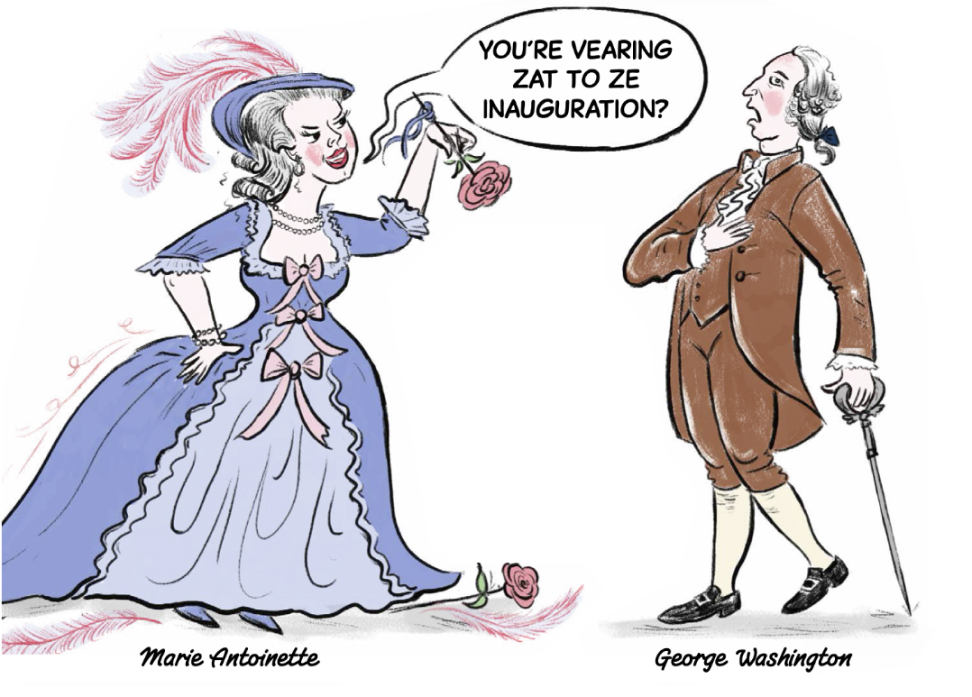
George Washington chose a simple brown coat for his inauguration in 1789. It set the tone for the American republic, rejecting monarchical symbols and fashions.
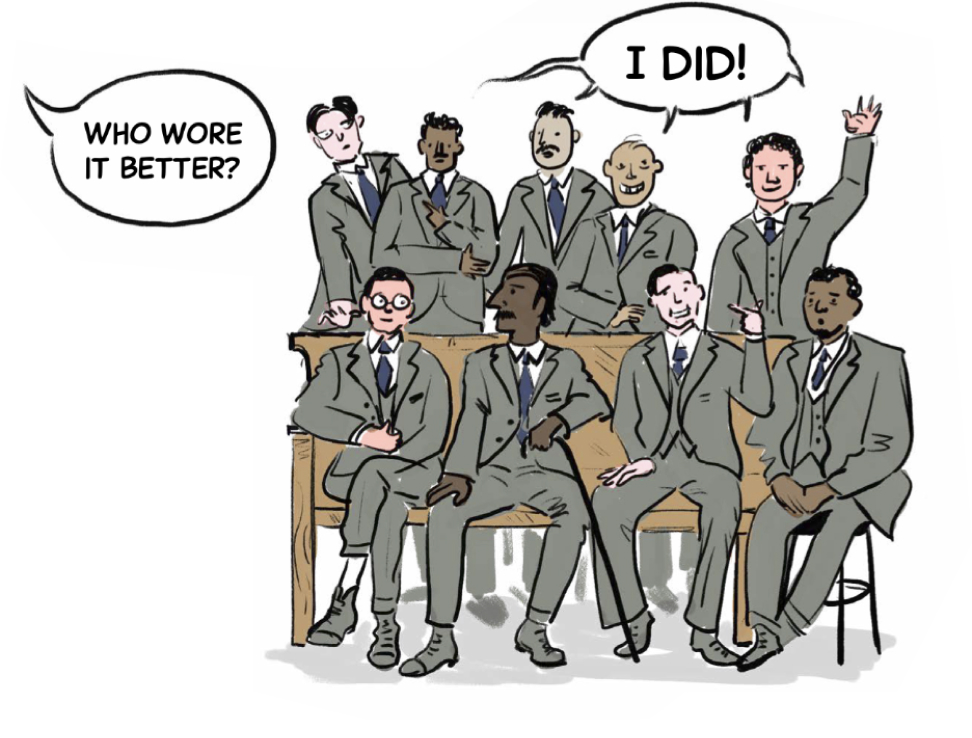
Brooks Brothers, the oldest American apparel brand still in existence and the creator of the first mass-produced suit, was founded in 1818.
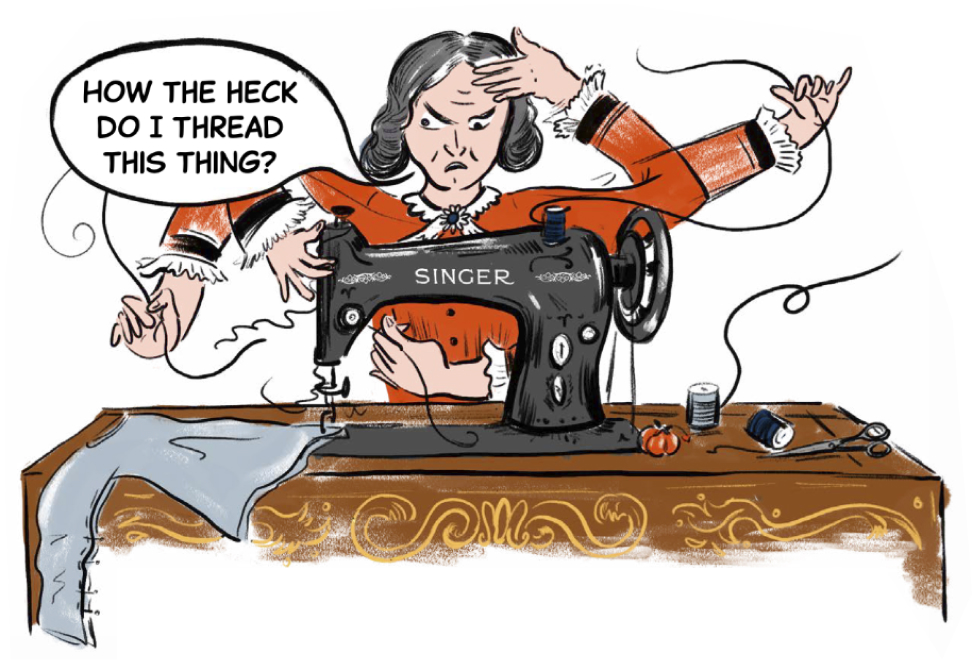
Singer’s home sewing machine, debuting in 1851, was not the first home sewing machine, but it was the most popular.

In 1853, Levi Strauss, a German Jewish immigrant, began selling denim pants to prospectors in the American West, with an important innovation for durability: the rivet. Half the world’s population today wears jeans.

A devastating fire at the Triangle Shirtwaist factory in 1911 killed 146 garment workers, mostly Italian and Jewish immigrants. In response, the International Ladies’ Garment Workers’ Union pushed for stronger labor rights.
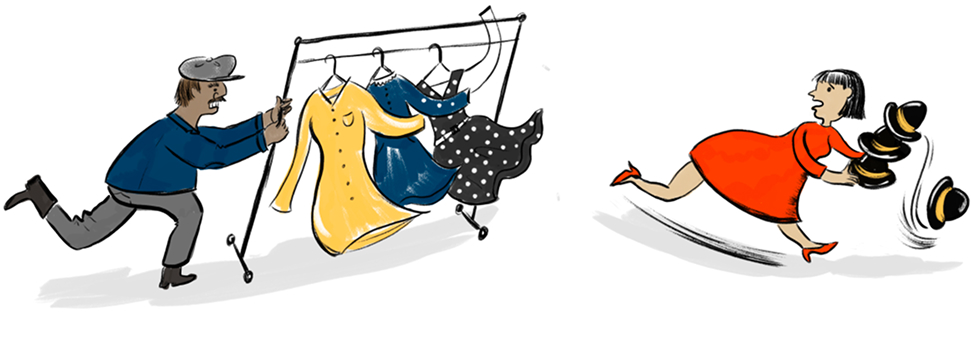
In an effort to improve working conditions, the Garment Center was moved in the 1920s and early 1930s to its current location, between 34th and 42nd Streets, from its previous downtown location. During WWII, production ramped up to make uniforms, laying the groundwork for mass manufacturing.
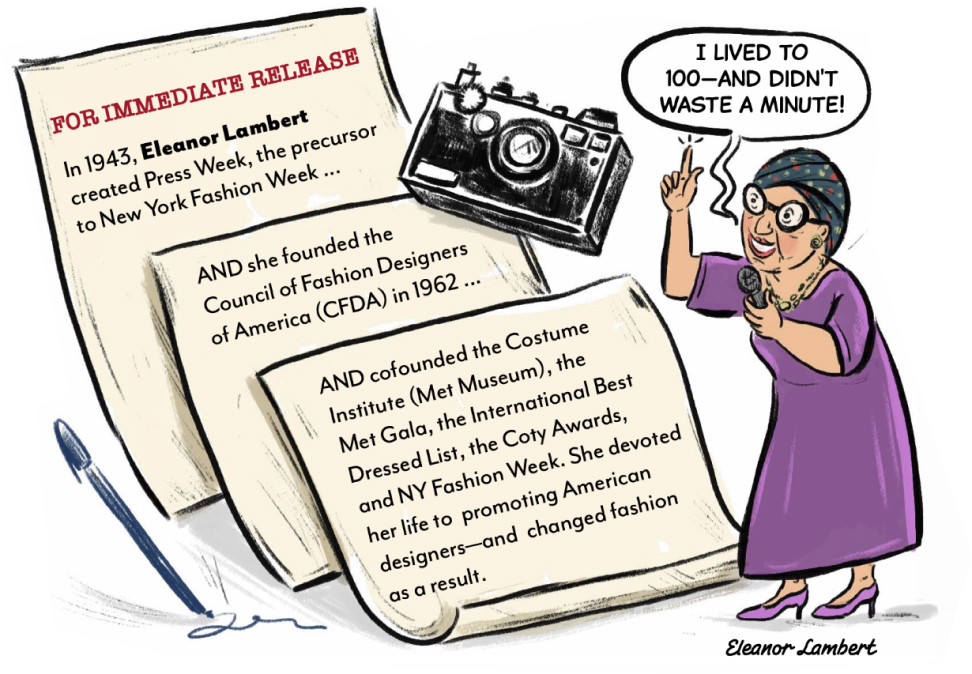
Eleanor Lambert was instrumental in shaping the modern American fashion industry.
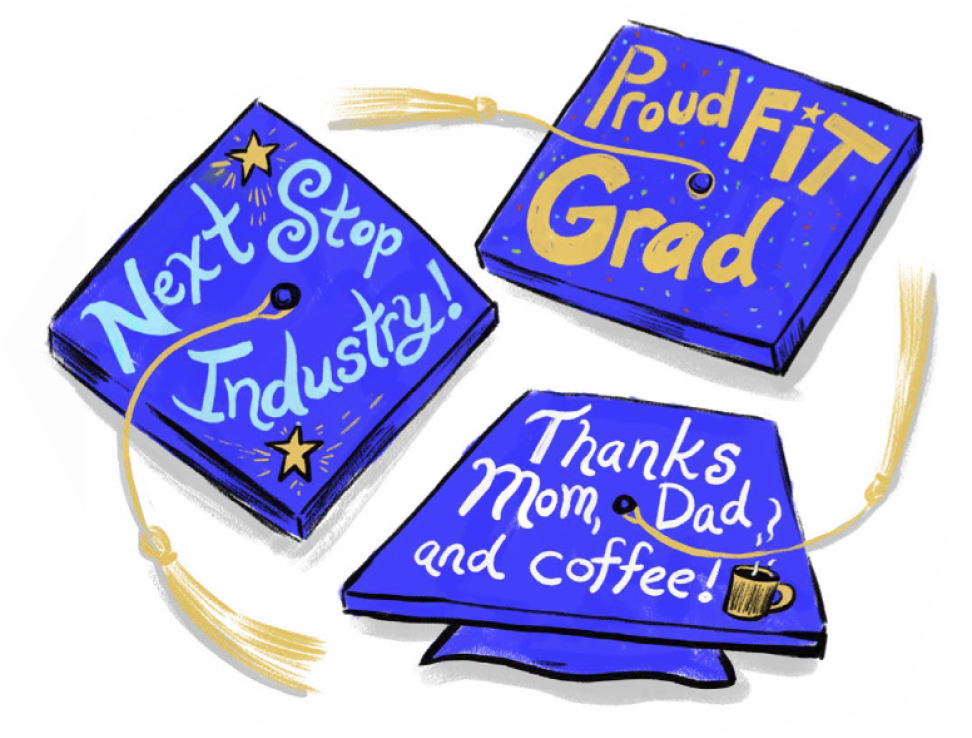
In 1944, the Fashion Institute of Technology was founded. The college became an essential talent source for the creative industries.
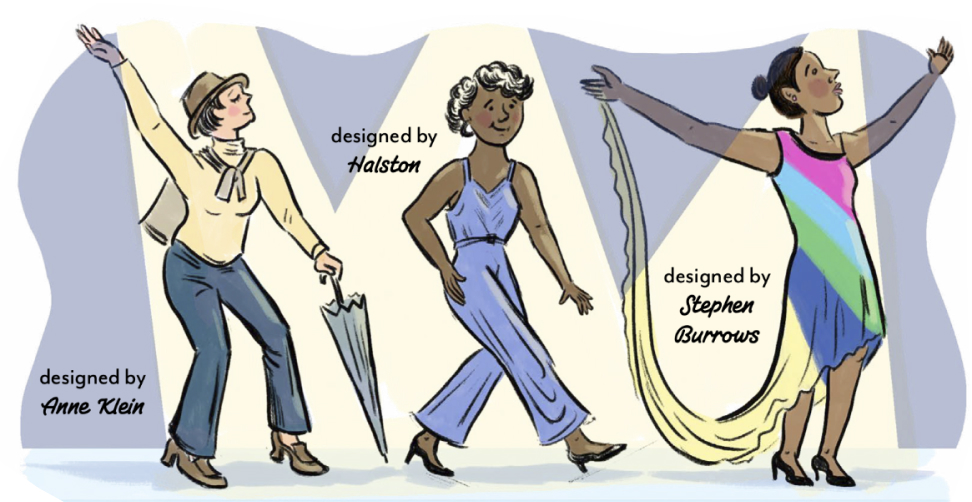
The Battle of Versailles, organized by Eleanor Lambert in 1973, was a fashion showdown between France and America. The American designers won. Stephen Burrows ’66, Halston, and Ann Klein stunned the audience with their exciting presentations.
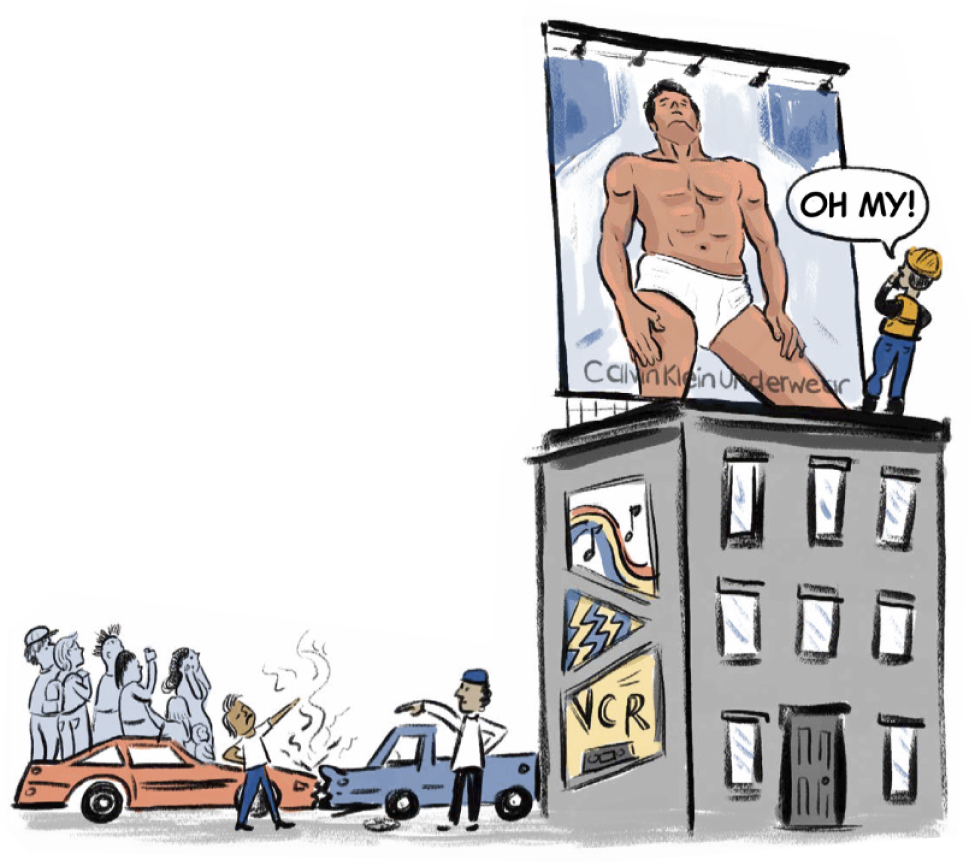
A shocking 1982 Calvin Klein underwear ad in Times Square changed American fashion advertising. Klein ’63, along with Donna Karan and Ralph Lauren, led a generation of designers who redefined American sportswear.
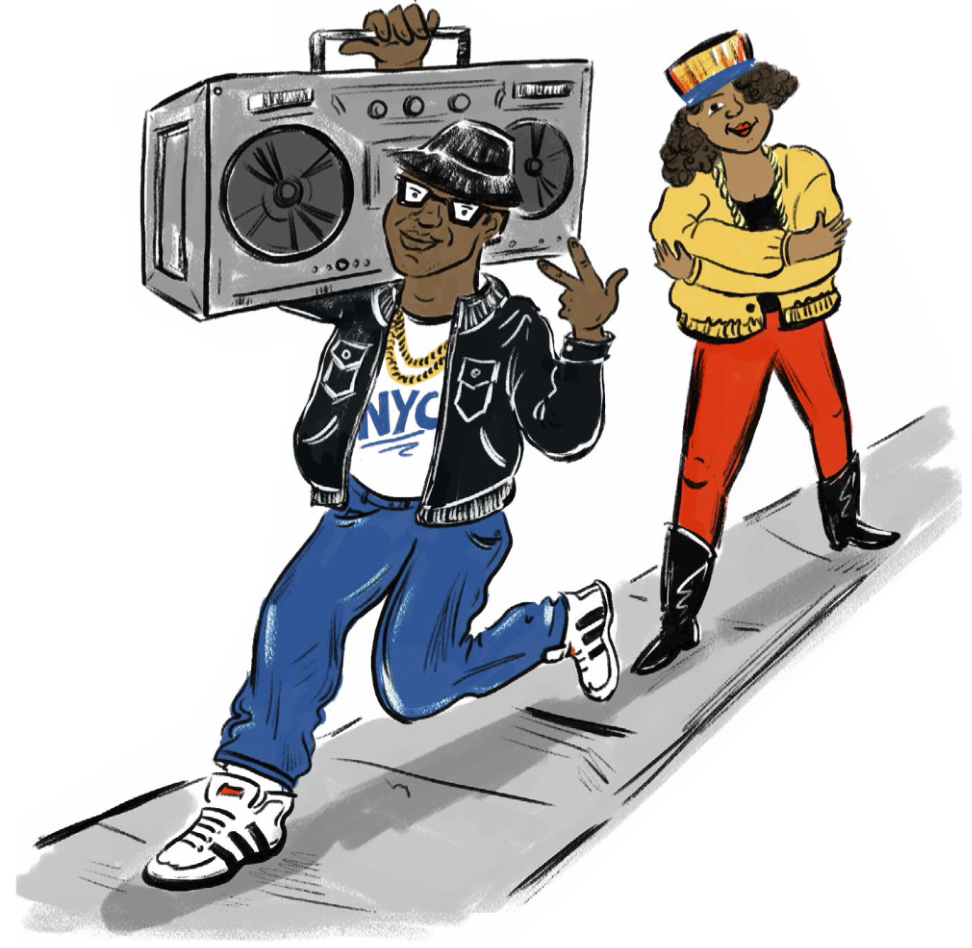
In the 1980s, hip hop culture took street style—jeans, sneakers, hoop earrings, fancy nails, and bling—and transformed it into high fashion.

When New York Fashion Week moved to Bryant Park in 1993, shows became media spectacles, and New York City became a major player on the global scene.
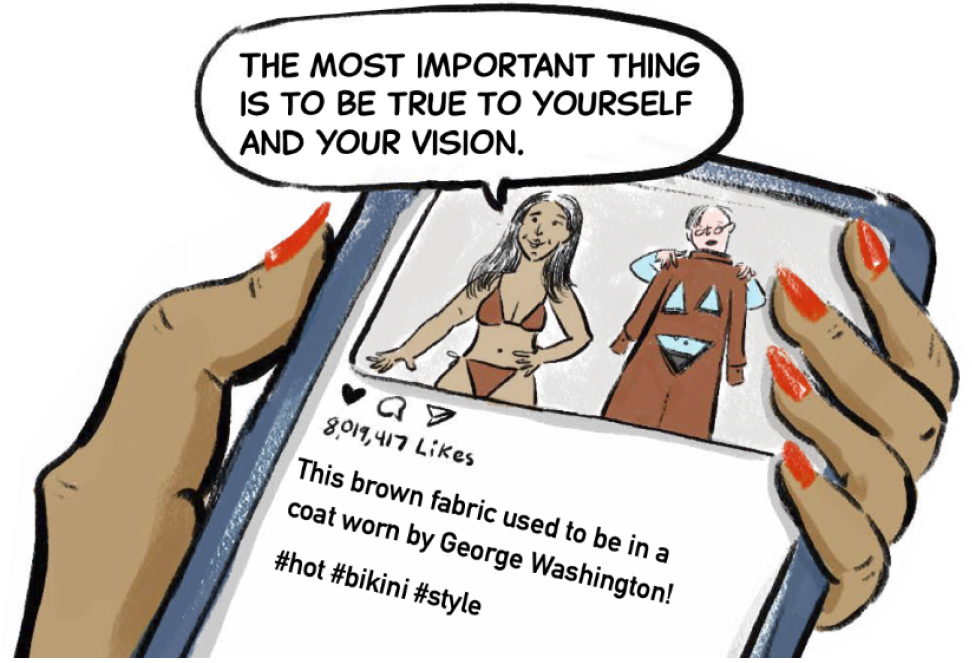
The era of social media influencers is reinventing fashion, as the industry has become a battle of likes and follows.