People
Places
Events
Clubs
Courses
Resources
Accomplishments
Memories
And Traditions

that couldn’t exist anywhere else
People
Places
Events
Clubs
Courses
Resources
Accomplishments
Memories
And Traditions
that couldn’t exist anywhere else
Anyone who has walked these halls, taken courses here or taught them, or worked to keep the college running knows that FIT defies categorization. We are part of the State University of New York (SUNY) and also globally renowned, with students hailing from more than 65 countries. Yes, we teach fashion design—but also business and science and film and much, much more. Some consider us a commuter school, yet we house 2,300 students in our four residence halls. We have a world-class museum plus thousands of square feet of other gallery space for rotating exhibitions. Our students might take seven or eight classes while holding down an internship and a job. We have a robust athletics program! We are a leader in sustainability education! We offer more than 40 minors!
Maybe we need to stop trying to define FIT—an impossible task!—and celebrate the myriad delights of all kinds that create a college experience unlike any other in the world. So here are 50 things about FIT that make us smile. Our list is hardly comprehensive. Tell us what’s “so FIT” to you at [email protected].
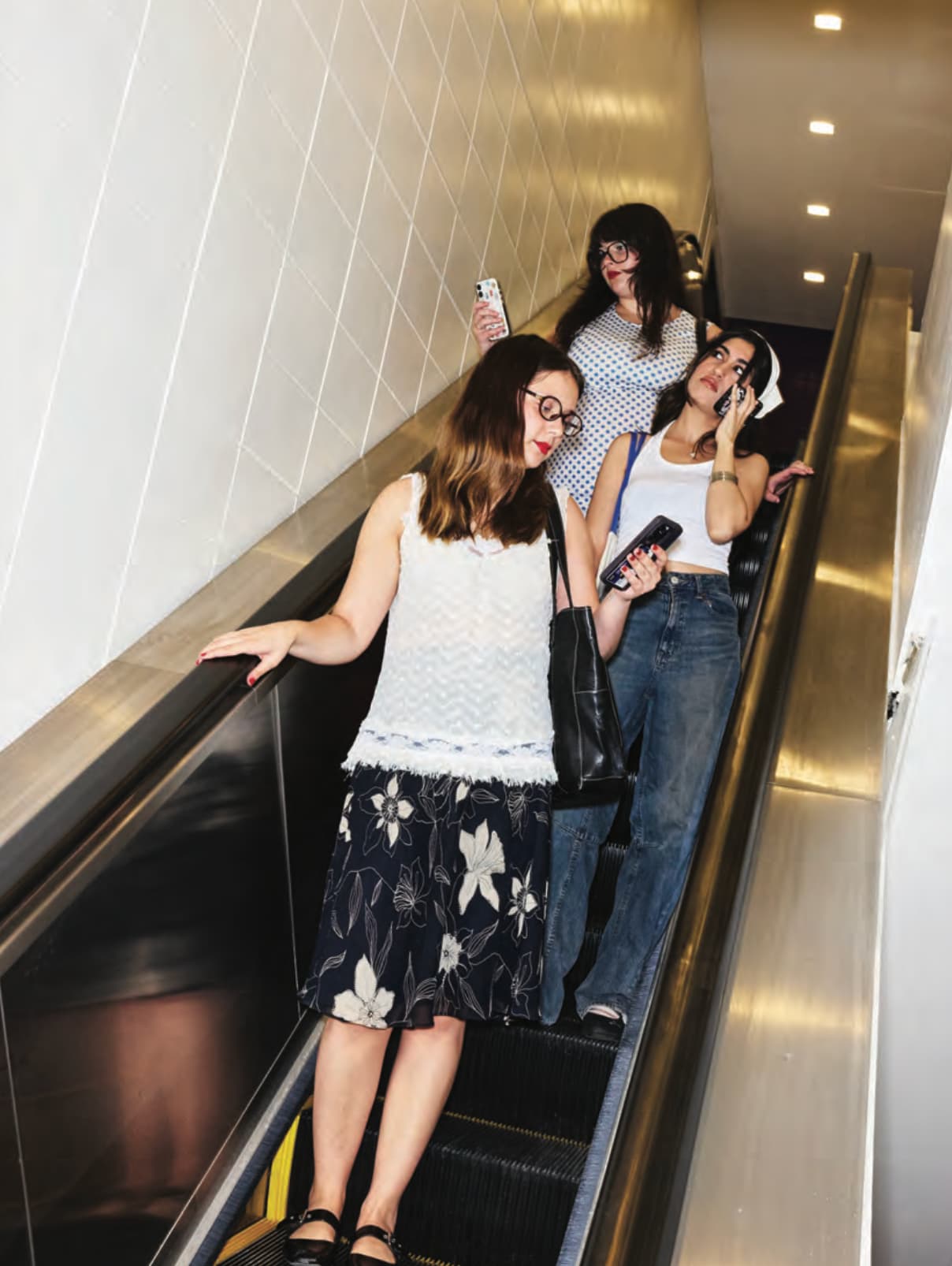
FIT has 21 stories of escalators:
10 in the Business and Liberal Arts Center
8 in the Marvin Feldman Center
3 in the Joyce F. Brown Academic Building
If you laid all the escalators end to end, they would rise higher than the Statue of Liberty! It takes 3 minutes, 48 seconds to ride the escalators from the sub-basement to the ninth floor of the Business and Liberal Arts Center.
It’s unusual for a college to have so many escalators, explains Daniel Levinson Wilk, a professor of American History who studies vertical transport. “FIT’s escalators are a runway” he says. They’re a space where students display their style for a captive audience.
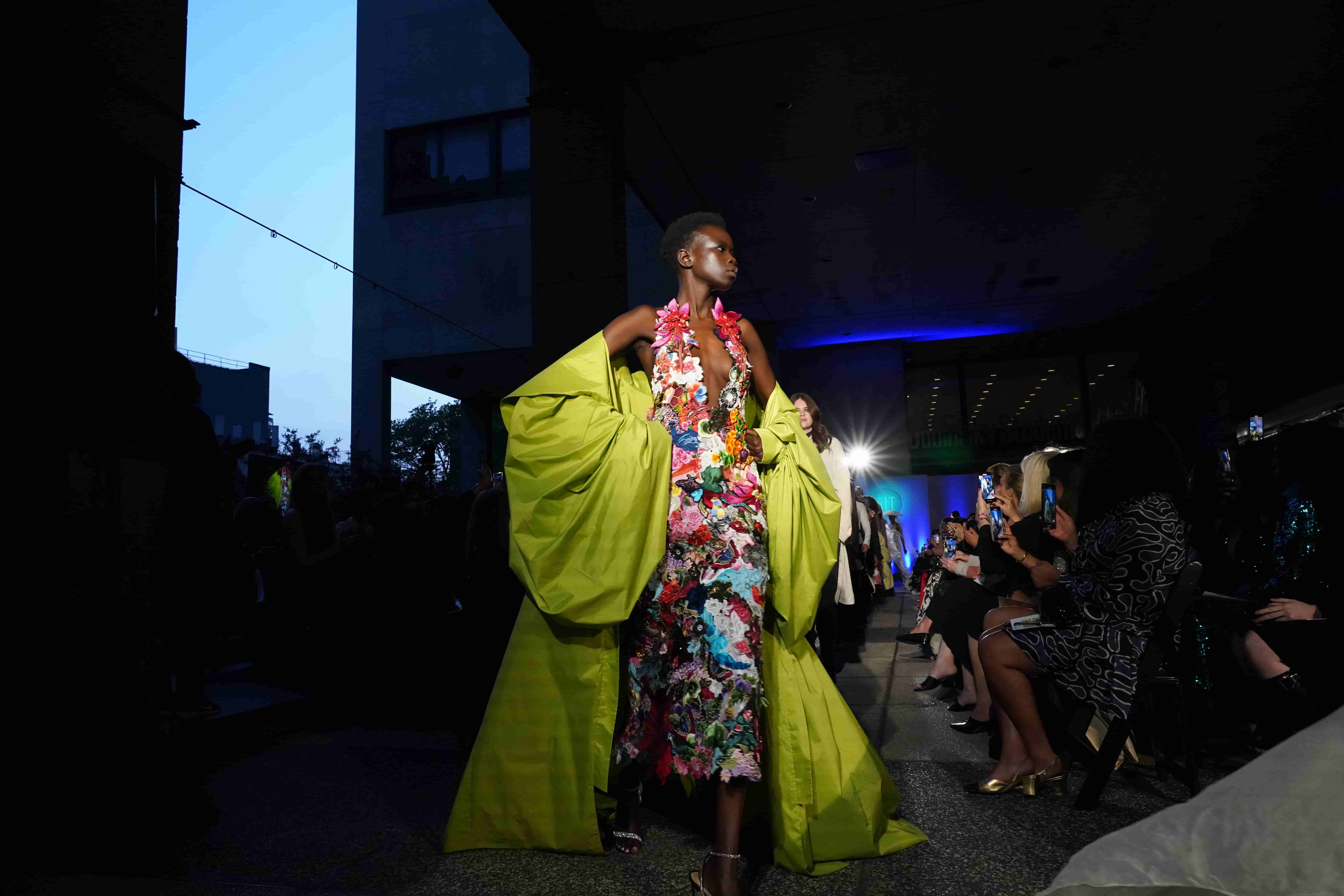
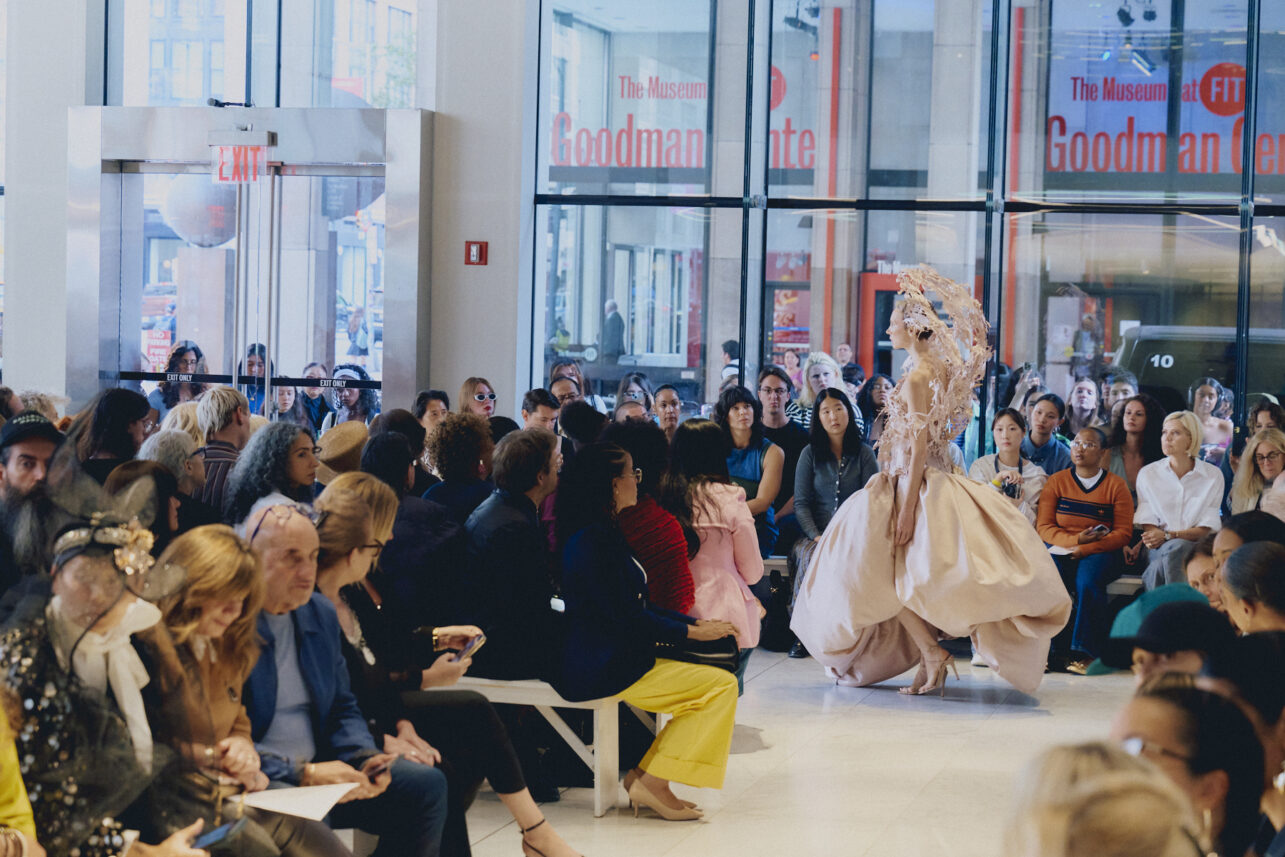
FIT’s signature BFA runway show, the Future of Fashion (above), always delivers stunning, avant-garde looks from dozens of our uber-talented student designers. And during New York Fashion Week in the fall, graduating MFA students show highlights of their trendsetting eight-piece collections (below).

What’s the cure for finals stress? Dogs and bunnies, of course! Health Services organizes pet therapy in the Gladys Marcus Library when overworked students need it most.
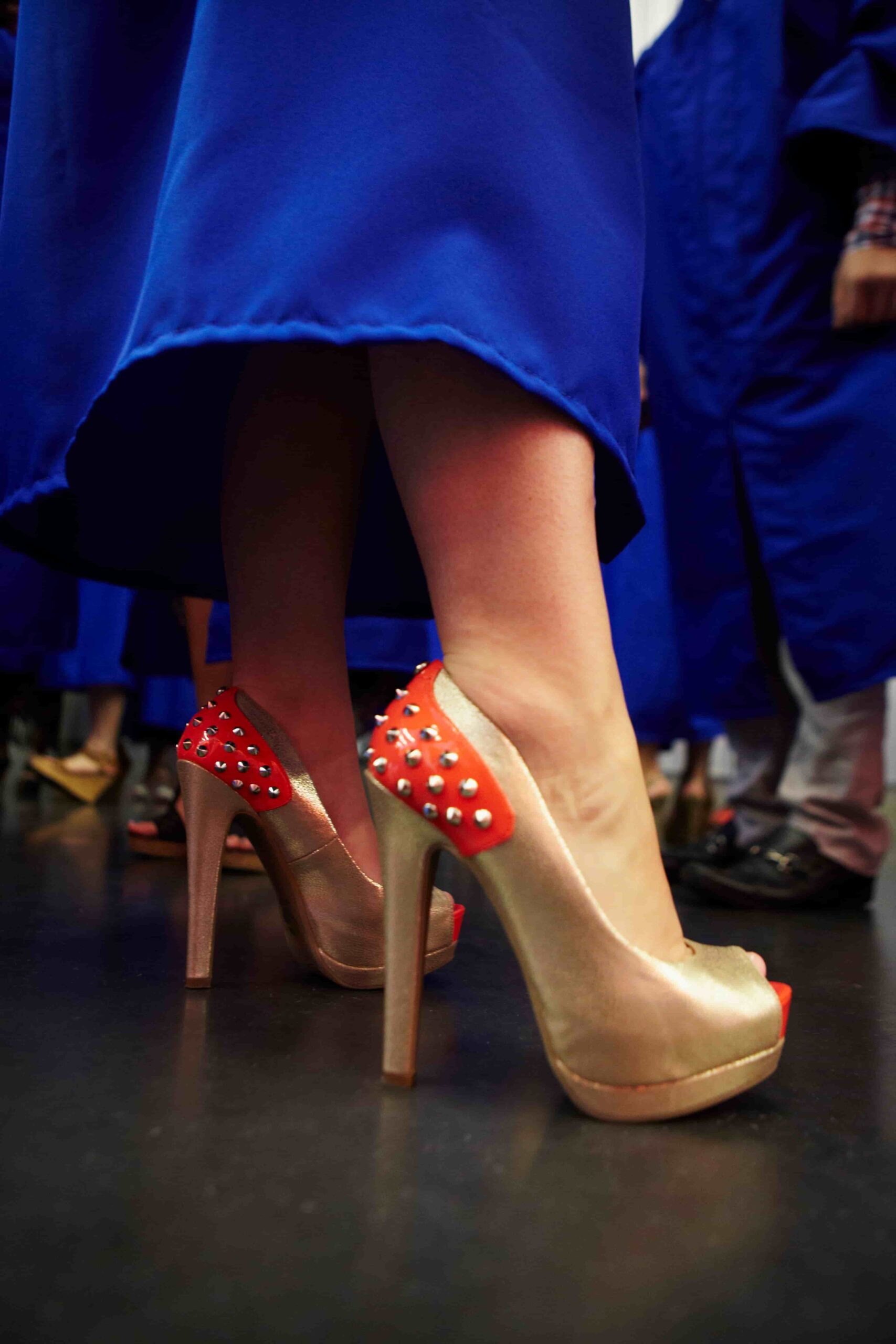
At commencement, underneath those royal blue robes, the graduating students (especially the Fashion Business Management contingent) rock some fabulous fashions. Don’t forget to look down to spot the Louboutins, Jimmy Choos, Manolos, and more peeking out.

Numerous fierce drag queens have emerged from the halls of FIT: Hedda Lettuce, Illustration ’02; Brini Maxwell, Fashion Design ’93; Aquaria, Fashion Design; Scarlet Envy, Advertising Design ’14; Jasmine Kennedie, Advertising and Marketing Communications; and the late Jiggly Caliente, Illustration. Some of these legends started their career at FIT’s drag pageant, a springtime event that consistently draws sold-out crowds.
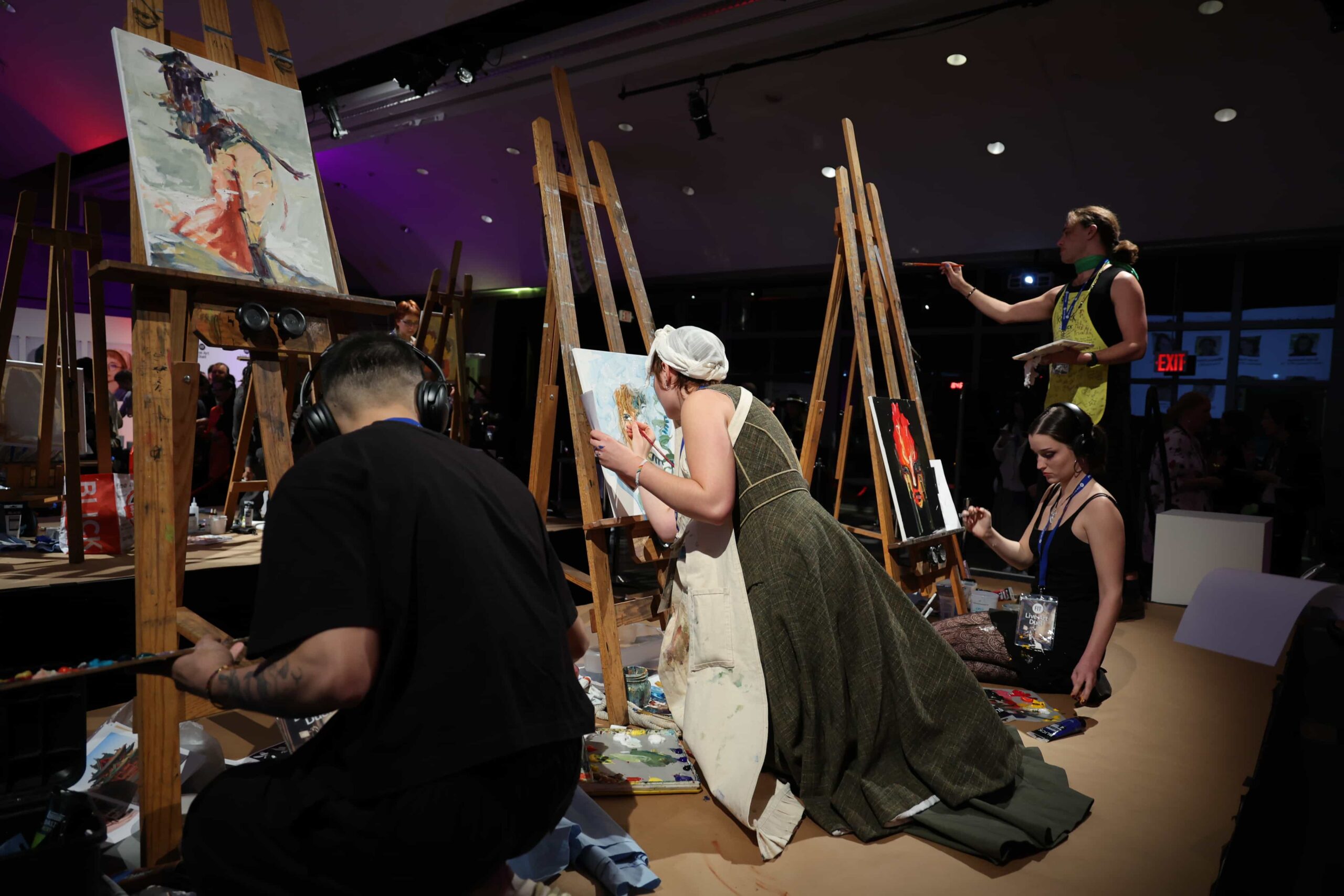
The Live Art Duel, in which students create art based on prompts in front of an audience, became an instant tradition in 2024. After three timed rounds of feverish creation, Illustration student Brooke Ledda won the $10,000 top prize. All the pieces were then auctioned off, with proceeds benefi ting FIT students and the FIT Foundation. The duel returns November 13.
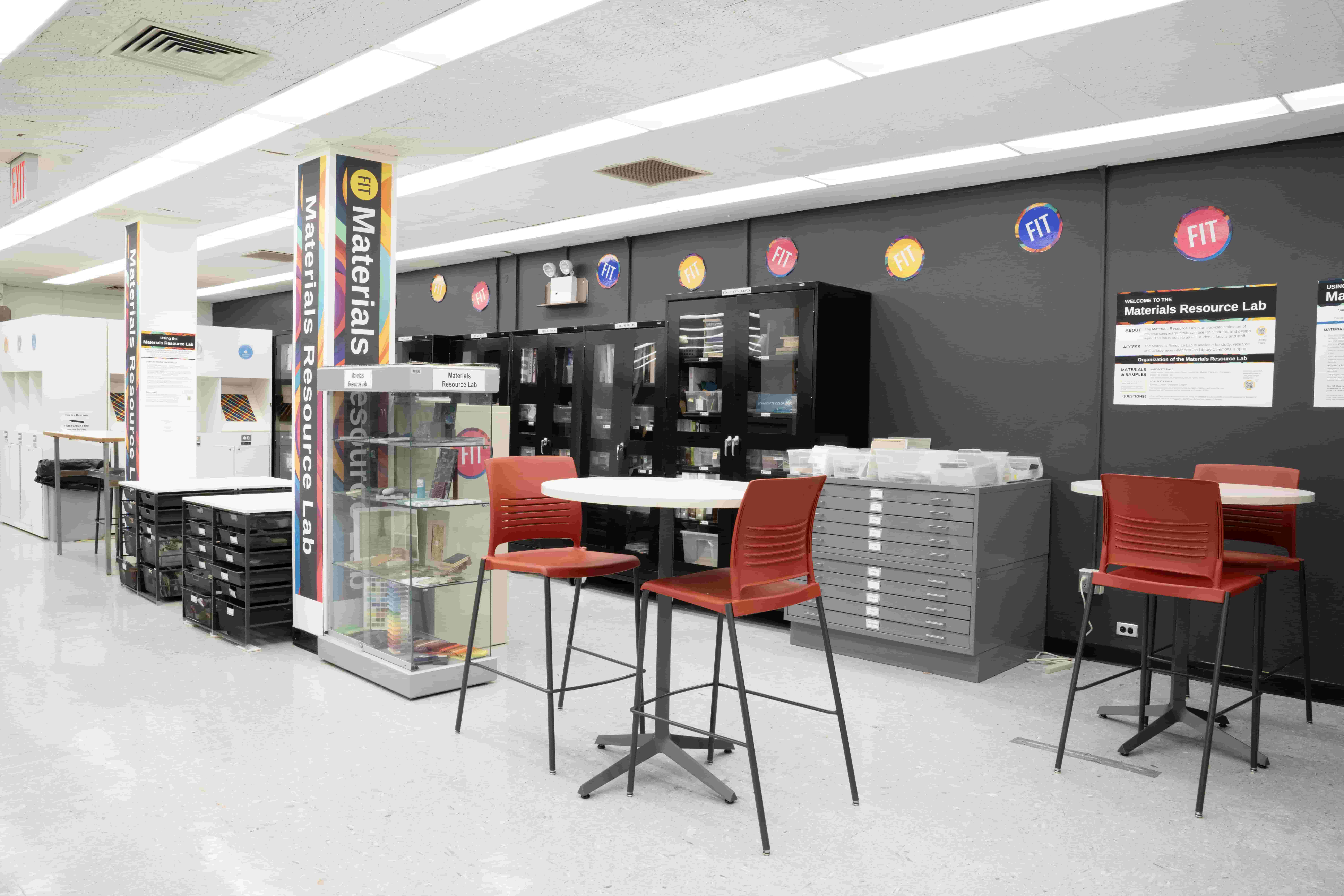
On the sixth floor of the Gladys Marcus Library is a specialized resource area called MakerMinds. There, librarians hold hands-on classes and crafts and DIY technology. The Art Resource Lab offers equipment for enlarging artworks and documenting them with photography. And the new Materials Resource Lab provides students in Interior Design and Exhibition and Experience Design (and others!) with fabric swatches, paint chips, and wood samples, all donated from local companies, along with cabinets that facilitate color comparison in various light settings. Students can borrow materials on the honor system, and faculty can hold classes in the space.
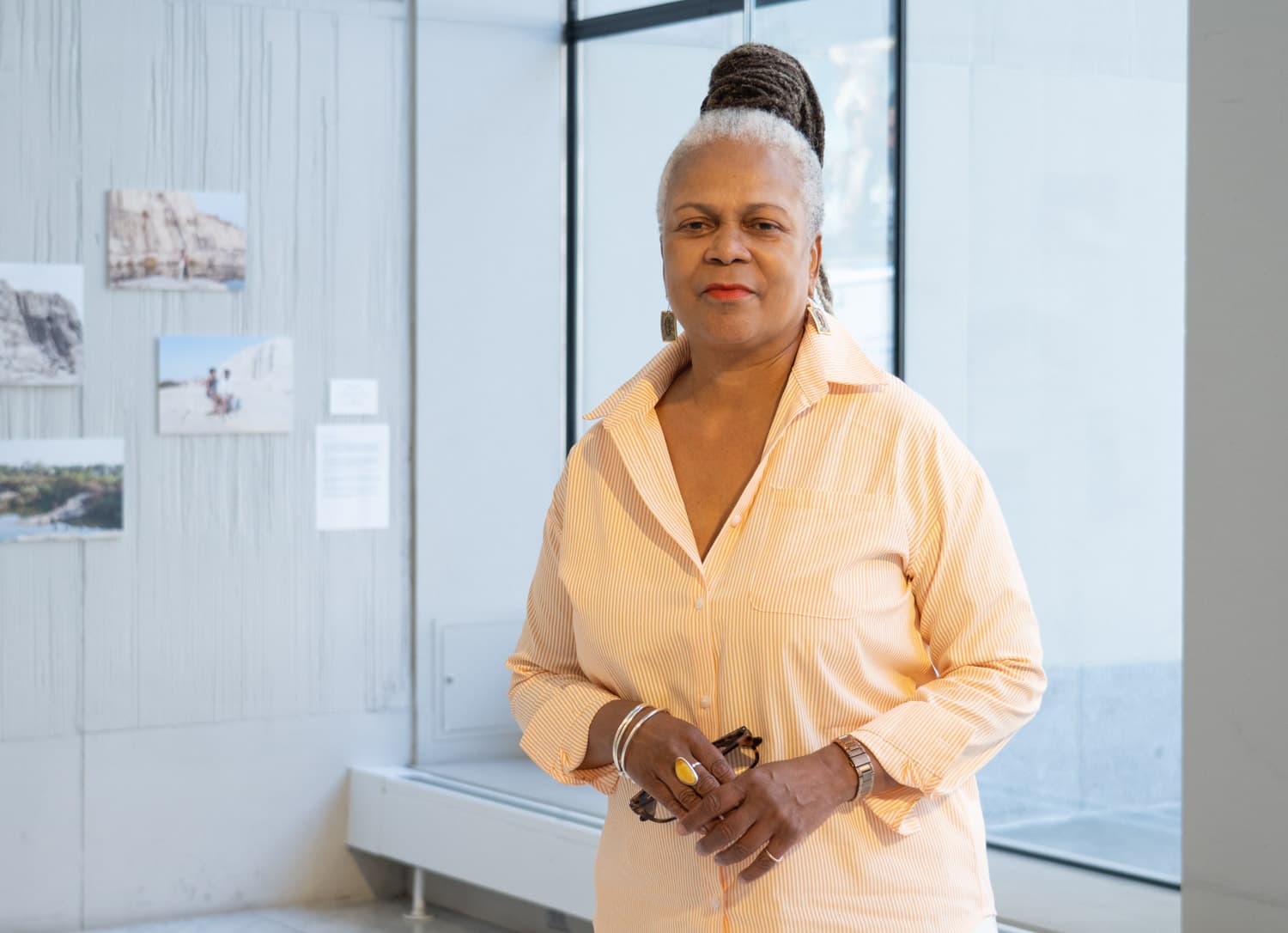
This year, FIT’s Office of Educational Opportunity Programs celebrated 50-plus years. The EOP, a SUNY initiative, supports promising students who have socioeconomic challenges, helping them thrive in college, earn their degree, and find career success. FIT’s EOP boasts a 94% retention rate, the highest among the SUNY community colleges that participate.
Director Taur Orange shares some of what the EOP provides:
“Many students arrive from high school needing additional support, particularly with the transition to New York City. Our four-week summer program helps fill those gaps by immersing students in foundational subjects like art history and writing, preparing them for the rigor of FIT’s academic environment. Then students meet with counselors at least twice a semester, though many stop by far more often. We affectionately call these frequent visitors our ‘office mice’ because they’re always around.”

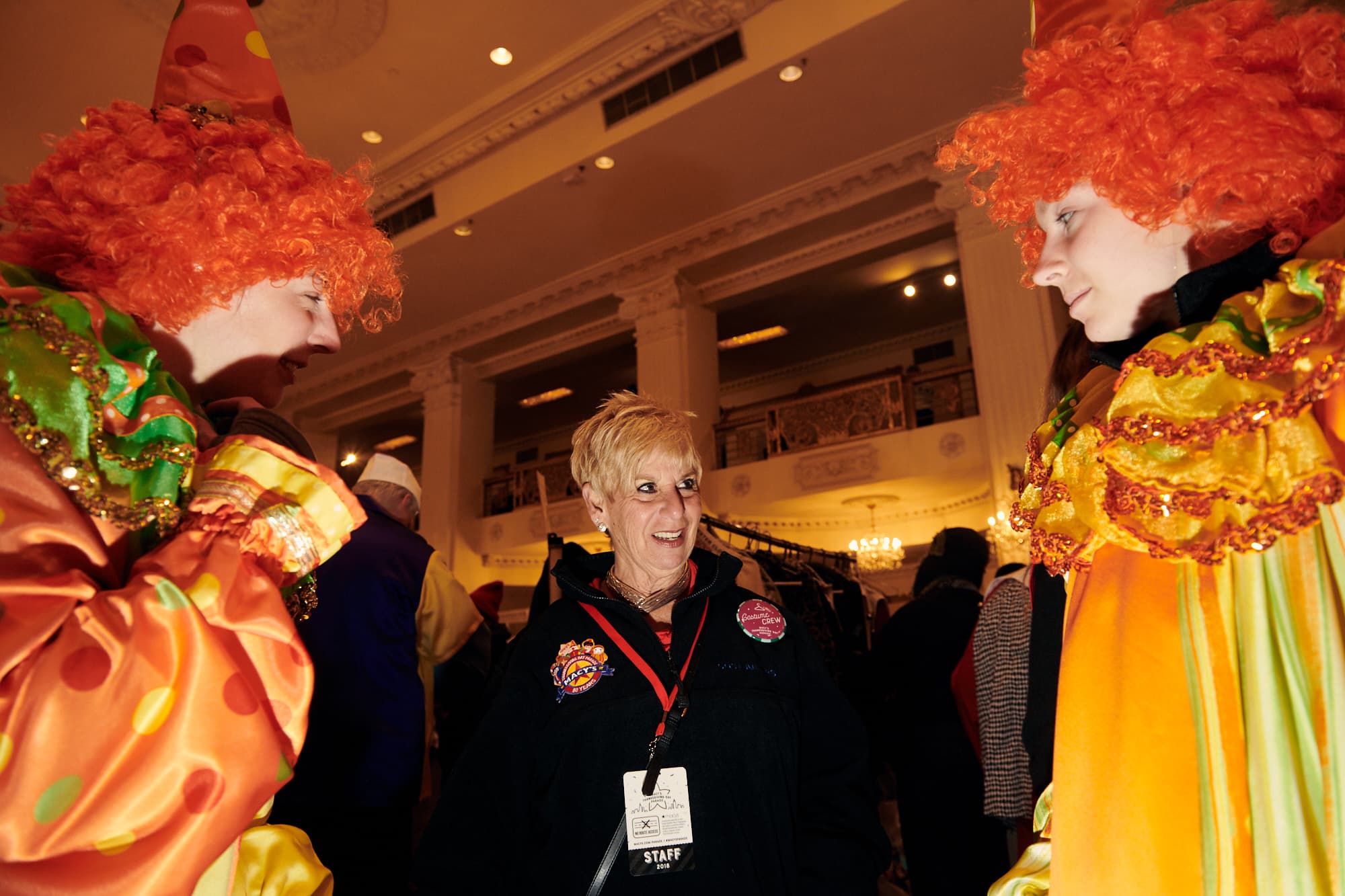
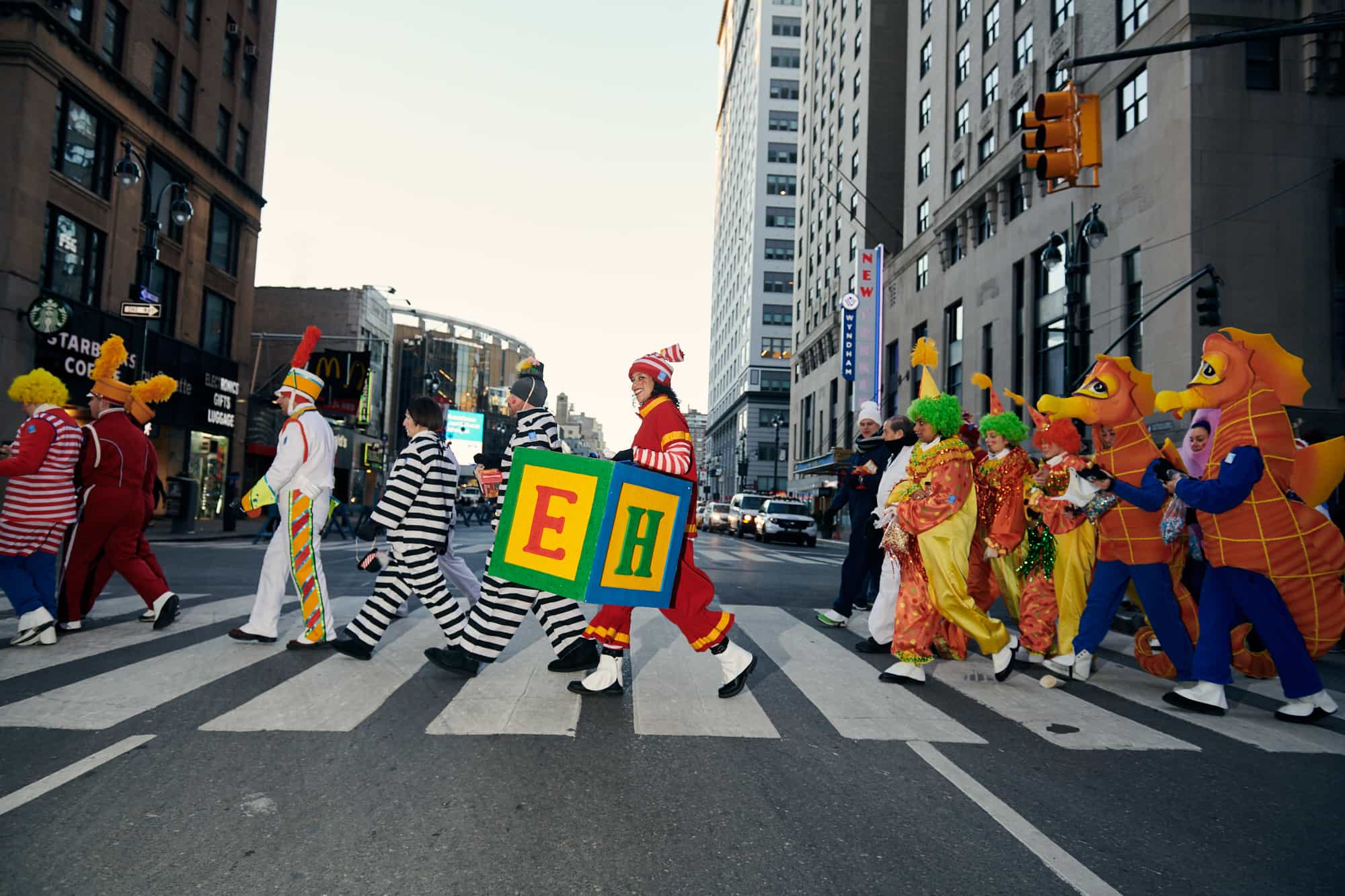
FIT adjunct faculty member Barbara Berman has been the parade’s costume crew chief for 23 years. She hires students and alums from the Fashion Events Management certificate program in the Center for Continuing and Professional Studies to prep all 2,000 handlers, 900 clowns, 400 parade officials, 350 float escorts, 350 teens, 100 banner carriers, and 70 stilt walkers and special characters for the big event.


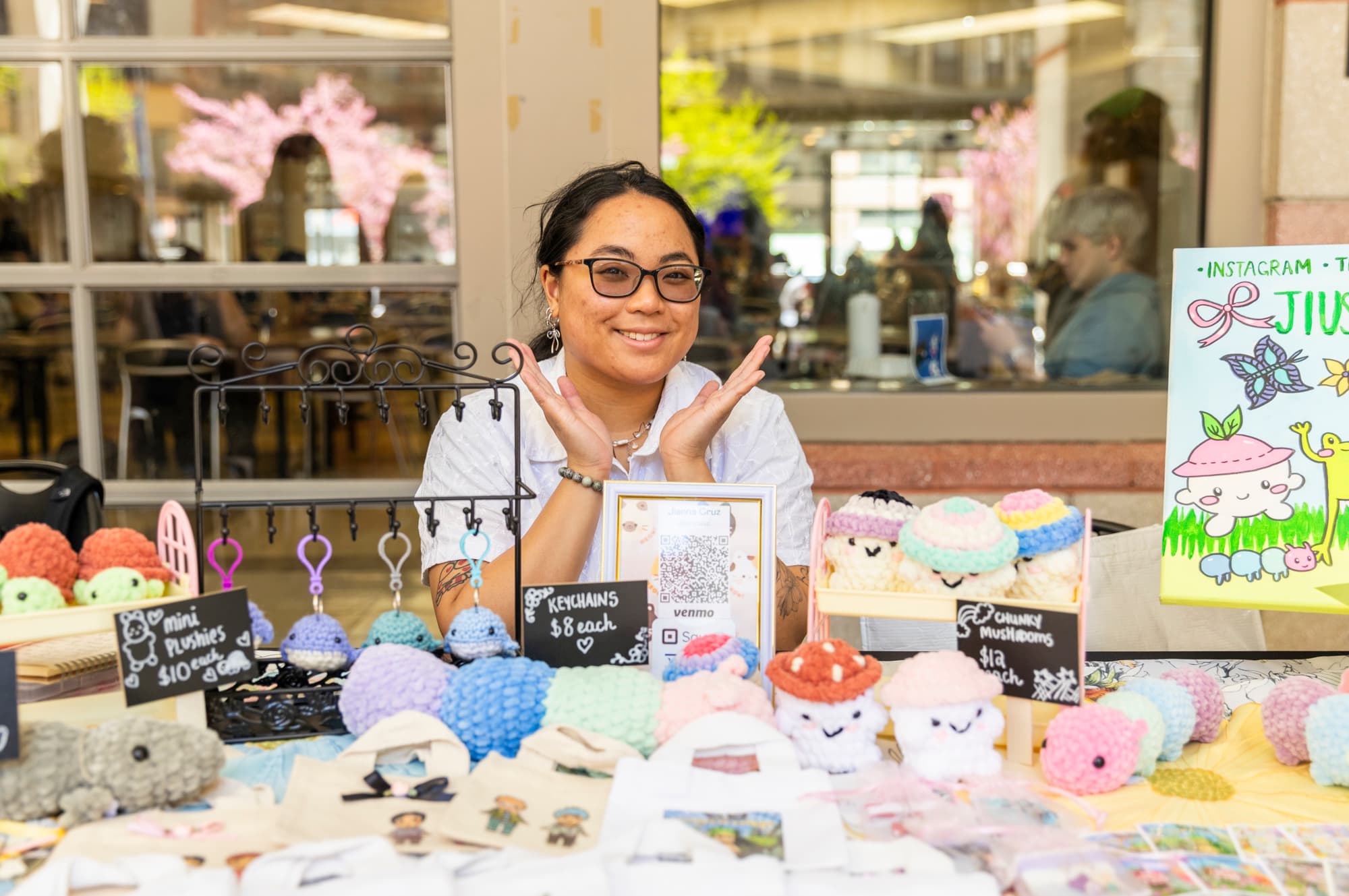
The FIT community comes together for bustling artisan craft fairs on the Breezeway, organized by the UCE of FIT, the college’s union. Anyone can browse the handmade knitwear, jewelry, and artwork created by faculty and staff.
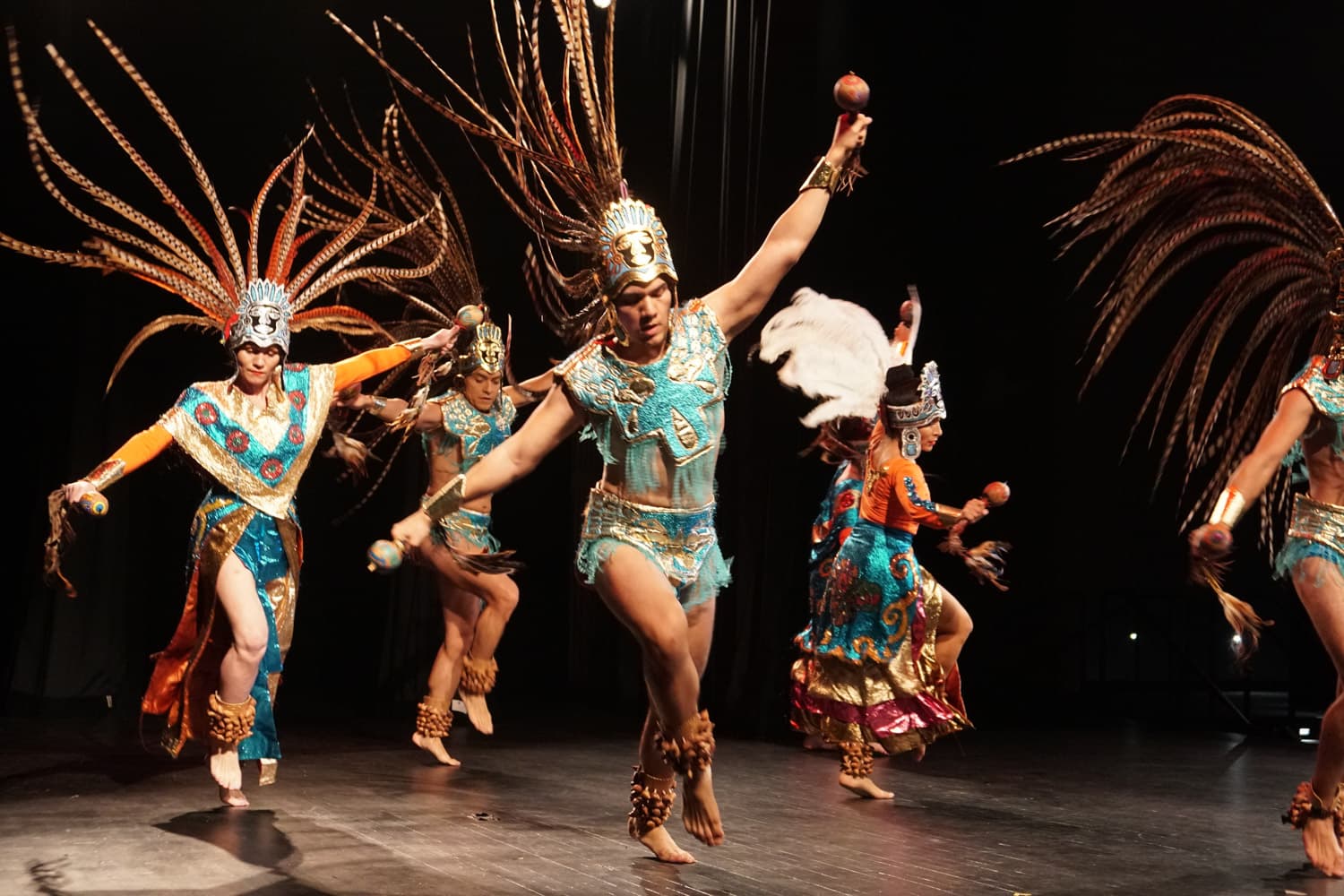
FIT now offers 44 hugely popular minors, including Journalism, Mandarin Chinese, Integrative Wellness, Women and Gender Studies, and Game UX/UI Design.
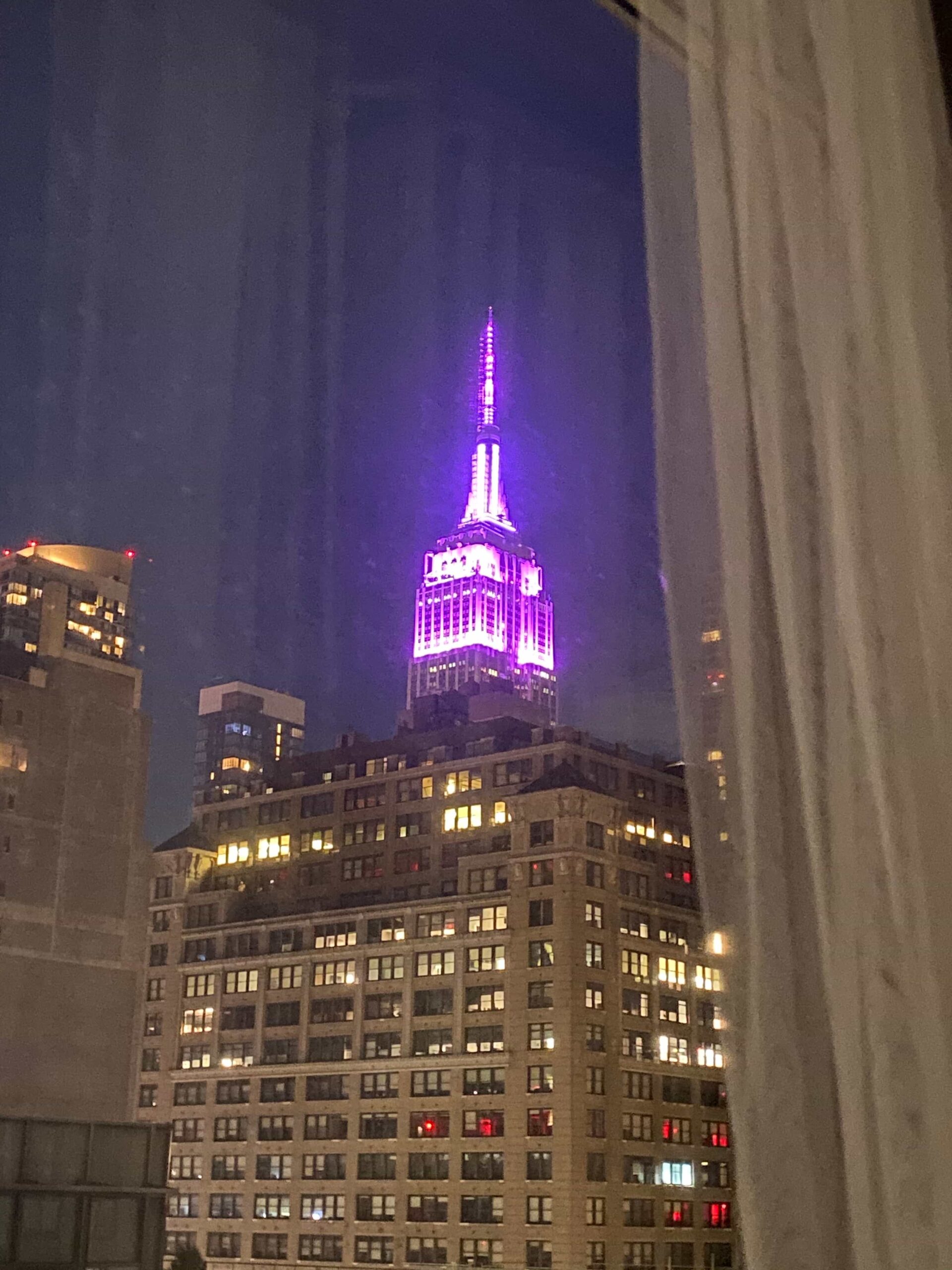
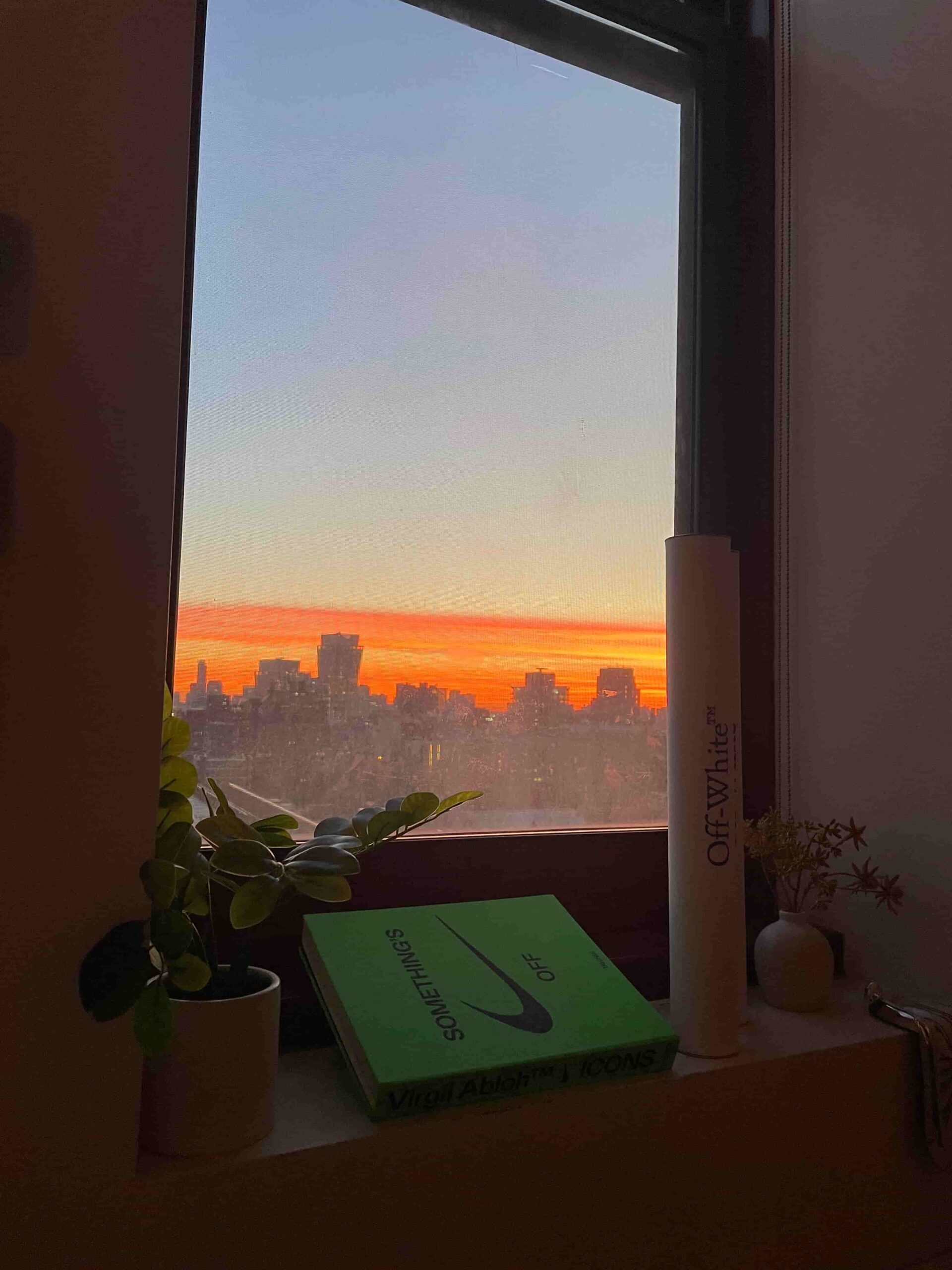
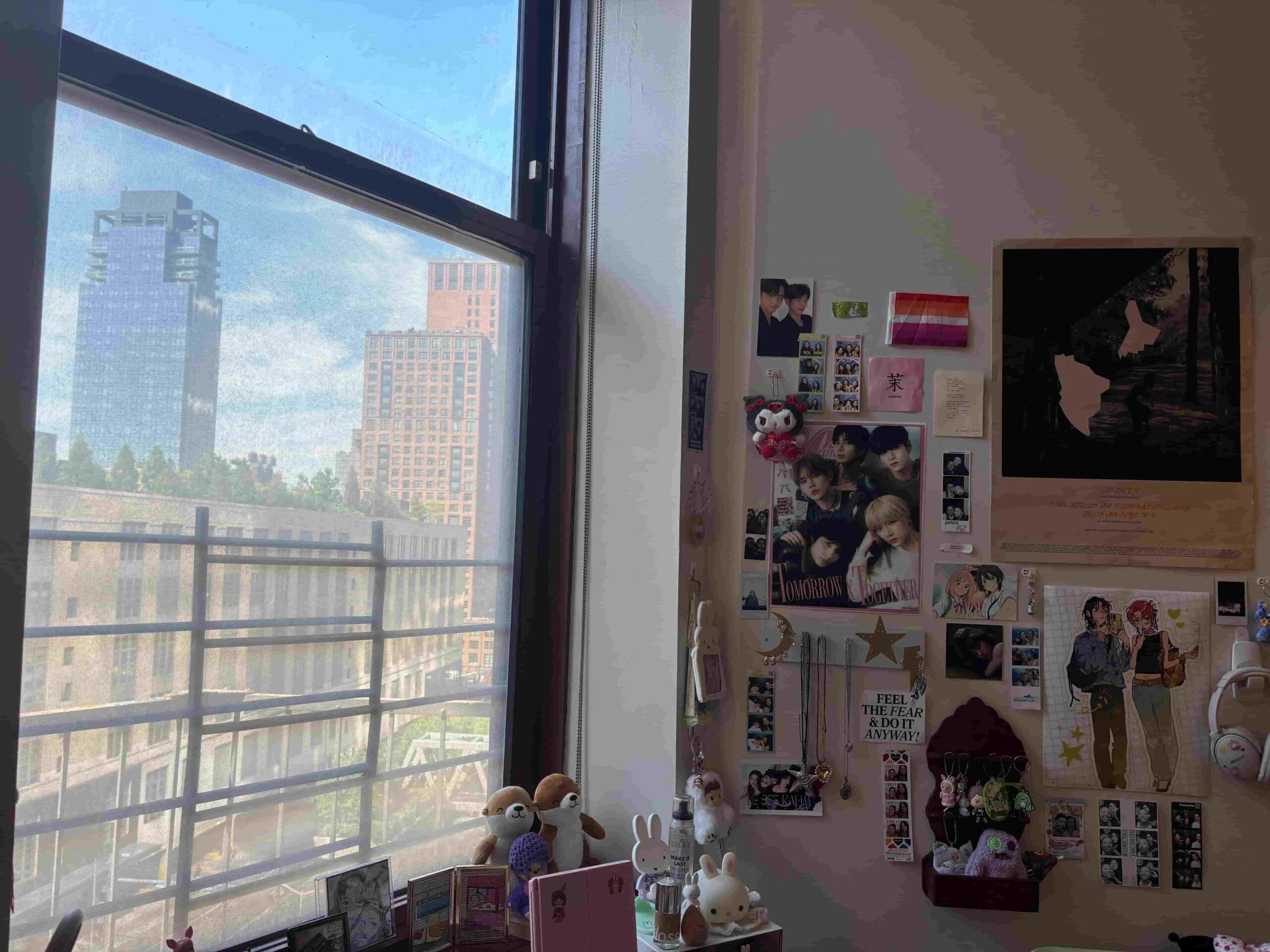
Some rooms look out on the Empire State Building; others face downtown toward the Freedom Tower or west to Hudson Yards.




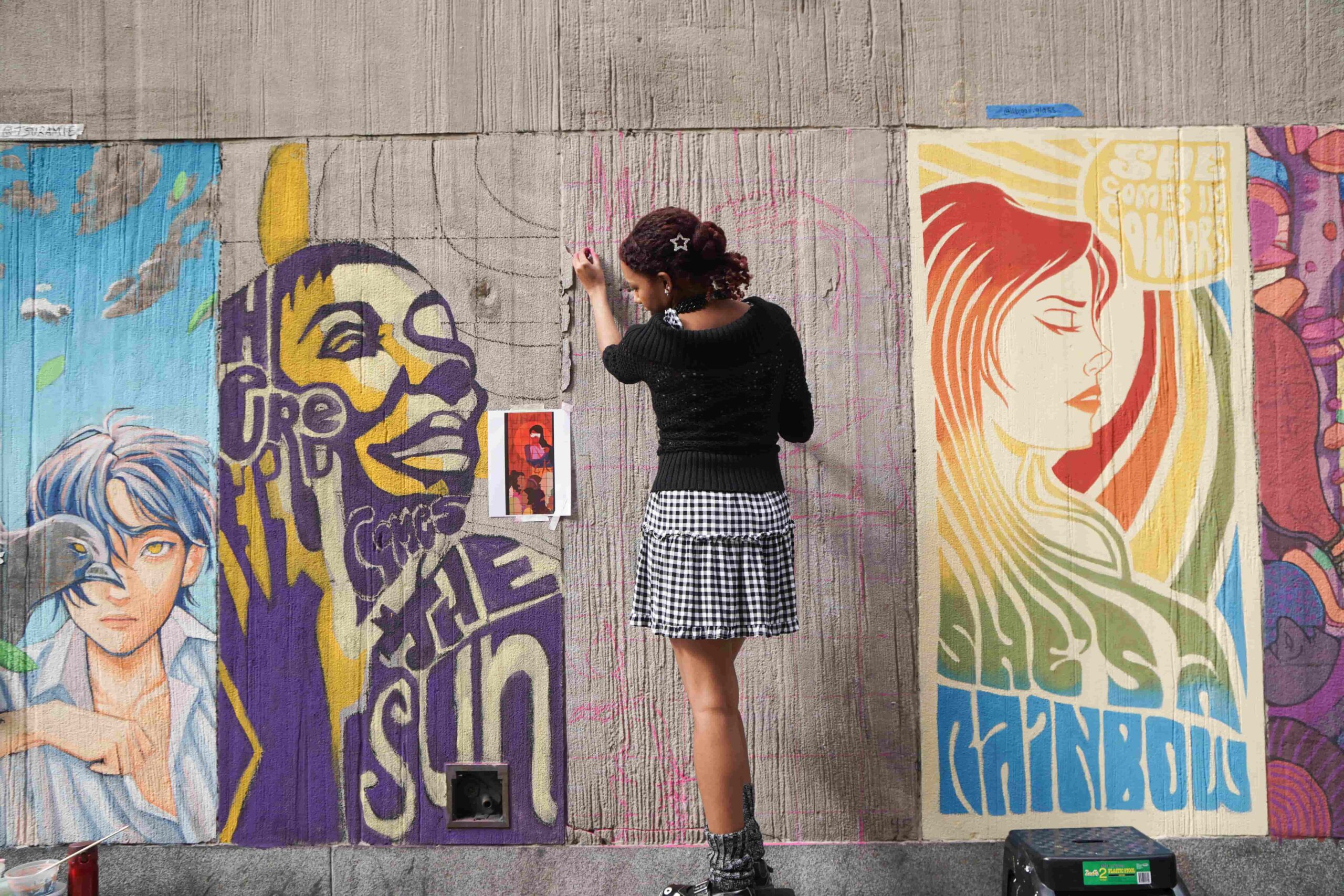
Every year, fourth-year Illustration students have painted murals on FIT’s concrete walls in a project that combines education with public art. Here, Dan Shefelman, chair of Illustration and Interactive Media, discusses the origins of Chalk FIT.
It started in 2013 as part of a class called “The Illustrator as Documentary Artist.” We’d go all over the city, drawing at museums and courthouses. For one class, I thought, instead of drawing around the city, we’d draw on the city. We spent the whole class drawing on the sidewalk. I didn’t expect what happened next: People walking by were riveted. We had businessmen and businesswomen sitting on the sidewalk, drawing with the students.
That fall, the dean of students suggested we draw on the walls instead. I had the entire senior class out there creating murals. A chalk artist, Hani Shihada, showed us how to crush up the chalk and mix it with water to turn it into a paint.
The following year, we came up with a prompt—innovation—which gave the students a challenge, much like a professional illustration assignment.
I think the reason Chalk FIT resonates with people is because it brings color and interest to a brutalist building. People tell me, “Wow, I didn’t know FIT did this!”
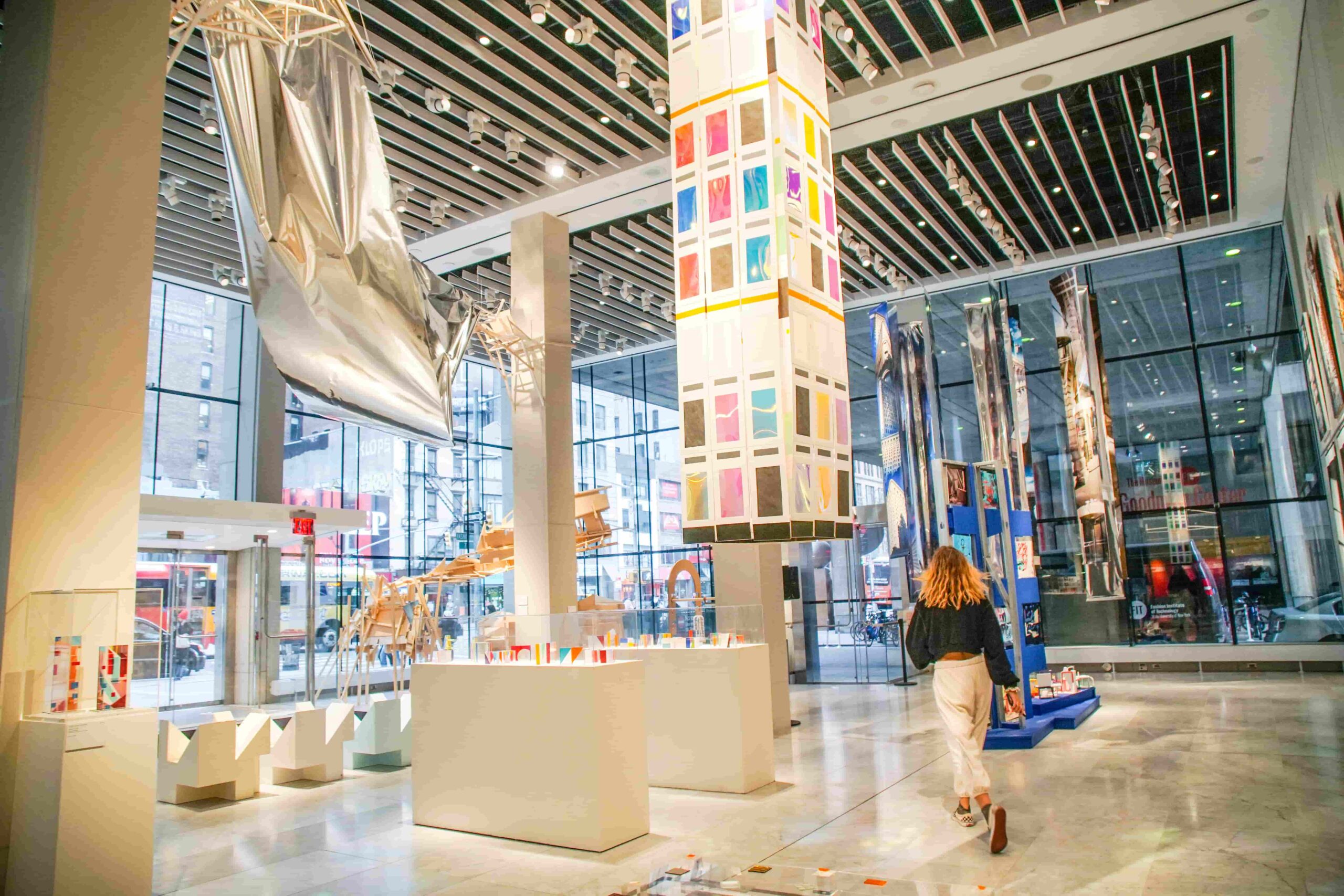
Opened in 2018 after an expansion of the Fred P. Pomerantz Center lobby, the glass-walled gallery showcases the work of students, faculty, alumni, and guest artists all together. This fall, the gallery presented Adapt/Evolve, a multidisciplinary exhibition focused on creative new approaches to adaptive and inclusive design.

Lauren Bavoso Flood, Toy Design ’98, designed the first Dora the Explorer doll line. Here, she shares her memories of the process.
I was part of the very first team at Fisher-Price to design the toy line for Dora the Explorer, which debuted on Nickelodeon in 2000. At the time, a preschool series with a bilingual young girl as the central character was a unique concept. I was originally the only designer working on the brand, starting with a small range of products including plush dolls, soft bath toys, figurines, and simple learning toys.
One of my main responsibilities as a designer was working closely with Nickelodeon’s brand and creative teams to make sure we got every detail of Dora exactly right. Dora was created to reflect a Latin American heritage, and that representation was important especially in the early 2000s, when there was far less diversity in preschool toys. There was extensive back-and-forth to ensure her skin tone matched the on-screen character and felt authentic and respectful. Even her dance movements went through multiple approvals. Because Dora was a young girl, the dance moves needed to be age-appropriate, fun, and true to her personality.
One of my favorite memories from that first year was being asked to pose as the mom on the packaging for a Dora & Boots bath toy I designed. So not only did I create the toy, but I’m also on the back of the box! My children loved going to toy stores to “look for mom” on the shelves.
In 2026, I will have taught soft toy design at the Fashion Institute of Technology for 20 years. I love helping the next generation of toy designers hone their skills so they can create engaging and entertaining toys that are just as memorable for today’s kids as the Dora line was for children back in the early 2000s.